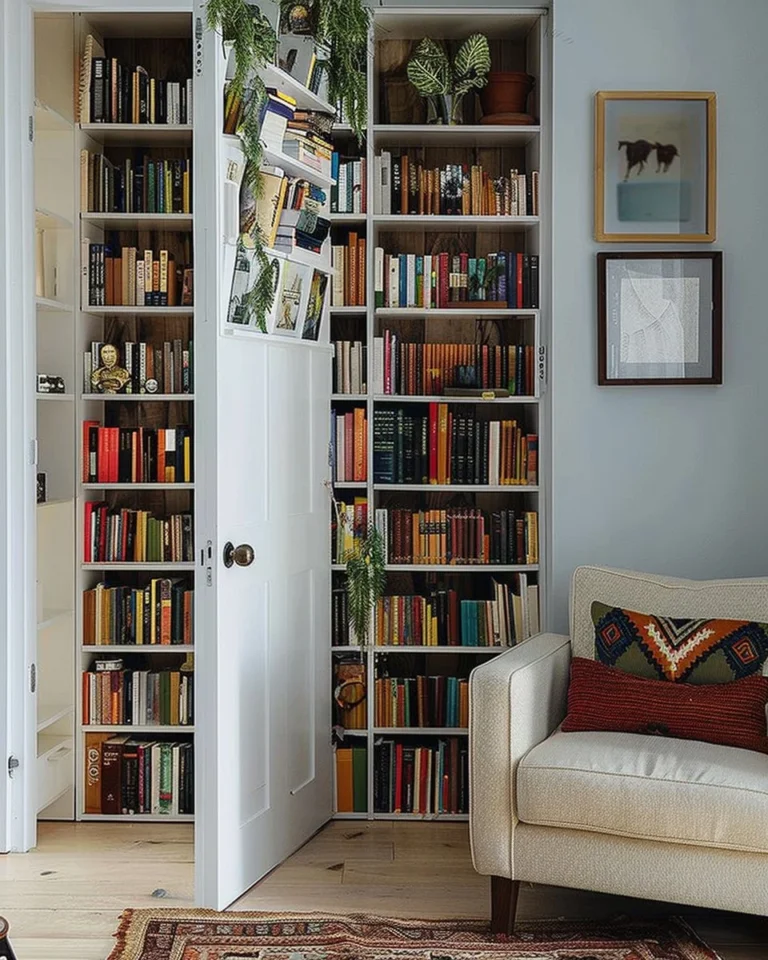
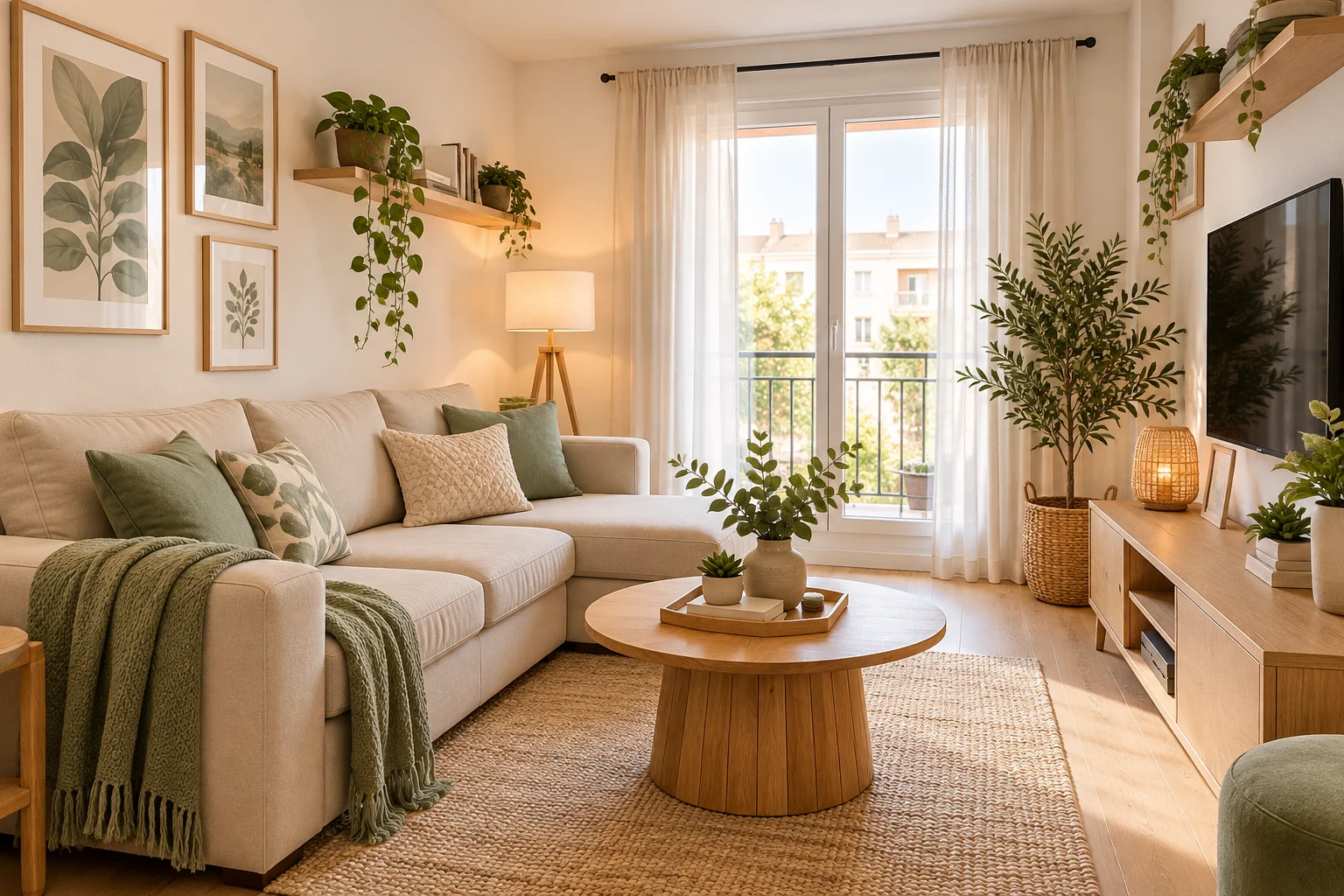
Decorating a small apartment is all about making thoughtful choices. The right furniture, a cohesive color palette, layered lighting, and clever storage can make even a compact studio feel comfortable, polished, and surprisingly spacious. You don’t need a bigger floor plan or an expensive renovation to create a home that feels beautiful and functional.
The secret is to make every element work a little harder. A storage ottoman can double as extra seating, curtains can draw the eye upward, and a well-placed mirror can help a room feel brighter and more open.
In this guide, you’ll discover practical ways to decorate a small apartment, from choosing the right furniture to creating distinct living zones, maximizing vertical space, and adding personality without creating clutter.
Quick Takeaways
- Choose furniture that fits: Measure your rooms, doorways, and walkways before buying anything.
- Use vertical space: Add tall shelving, wall-mounted lighting, and high curtain rods to draw the eye upward.
- Keep your palette cohesive: Repeat a few complementary colors throughout the apartment to create visual flow.
- Layer your lighting: Combine ambient, task, and accent lighting instead of relying on a single overhead fixture.
- Decorate with intention: Display meaningful art, textiles, and accessories while keeping surfaces relatively clear.
1. Choose a Light, Cohesive Color Palette
Color influences how a small apartment feels. A consistent palette helps rooms flow together, especially when the living room, kitchen, and bedroom share an open floor plan.
Light colors can reflect more light and make walls feel less visually heavy. However, decorating entirely in white isn’t necessary. Warm neutrals, soft greens, muted blues, and earthy tones can create a welcoming atmosphere without overwhelming a compact space.
Colors That Work Well in Small Apartments
Consider these combinations:
- Warm white, beige, and natural oak: Ideal for a bright, relaxed interior with Scandinavian influences.
- Cream, sage green, and light wood: A gentle palette that feels organic and calming.
- Greige, charcoal, and brass: A sophisticated combination for a modern apartment.
- Soft blue, ivory, and warm tan: A fresh, balanced palette that works beautifully in rooms with natural light.
Choose one dominant neutral, one secondary color, and one or two accent shades. Repeat them through your sofa, cushions, artwork, curtains, and decorative objects.
Should You Use Dark Colors in a Small Apartment?
Absolutely. Dark colors can add depth and character when used thoughtfully. Try a deep green accent wall, navy cushions, a dark wood coffee table, or black picture frames against a lighter background.
If your apartment has limited natural light, test paint samples at different times of day before committing to a darker shade.
2. Select Furniture That Fits the Room
Furniture scale is one of the most important considerations when decorating a small apartment. An oversized sectional or bulky entertainment unit can restrict movement and make the room feel crowded, even when the color scheme is beautiful.
Before purchasing furniture, measure the available floor space and map out where each piece will go. Include door swings, cabinet access, and the routes you use to move between rooms.
Prioritize Flexible Furniture
Look for pieces that serve more than one purpose:
- A storage ottoman that works as a footrest, extra seat, and place to store blankets.
- A drop-leaf dining table that expands when guests visit.
- A sofa bed for occasional overnight guests.
- Nesting tables that can be separated when you need extra surfaces.
- A bed frame with drawers or enough clearance underneath for storage bins.
- A slim console table that can function as a desk or entryway surface.
Multifunctional furniture reduces the number of separate items you need, leaving more room to move comfortably.
Get the Proportions Right
A small apartment doesn’t automatically require miniature furniture. Instead, balance the size of each piece with the room’s dimensions.
For example, a sofa with slim arms and raised legs can provide comfortable seating while allowing more floor to remain visible. A round coffee table can make movement around a seating area easier than a large rectangular table with sharp corners.
As a general guideline, aim for approximately 18 inches between a sofa and coffee table, adjusting as needed for your furniture and walking space.
3. Make the Most of Vertical Space
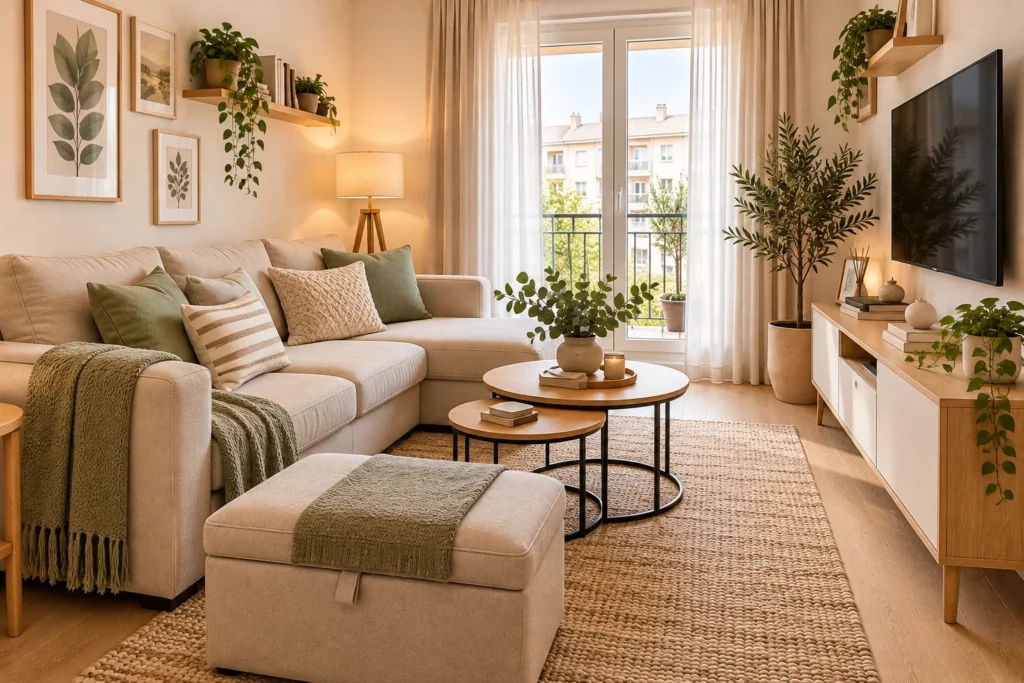
When floor space is limited, the walls become valuable real estate. Vertical storage provides room for books, plants, artwork, and everyday essentials without taking up much additional floor area.
Use Tall Shelving
A tall bookcase can provide substantial storage in a relatively small footprint. Place it beside a desk, near a sofa, or along an unused wall.
For a built-in appearance on a budget, use simple bookcases in a color that matches your walls. Style them with books, baskets, framed prints, and a few decorative objects rather than filling every shelf with accessories.
Install Floating Shelves
Floating shelves work well in small kitchens, bathrooms, and living rooms. Use them to display mugs, cookbooks, plants, or framed photographs.
Keep frequently used items within easy reach, and reserve higher shelves for lightweight objects you don’t need every day. Always follow the manufacturer’s installation instructions and use hardware suitable for your wall type and expected load.
Draw the Eye Upward With Curtains
Hang curtain rods several inches above the window frame when the room and window layout allow it. Let the curtains fall close to the floor for a more elongated appearance.
Choose panels that are wide enough to frame the window without blocking too much natural light when open. Lightweight linen-look fabrics and simple woven textures work particularly well in relaxed interiors.

4. Create Separate Zones in an Open-Plan Apartment
Studio apartments and open-plan layouts often need to accommodate several activities in one room. The goal is to establish distinct areas for relaxing, sleeping, working, and dining without making the apartment feel divided into tiny boxes.
Define Spaces With Rugs
A rug can visually anchor a living room within a larger open space. Choose one large enough to connect the main seating pieces rather than using a tiny rug that appears disconnected from the furniture.
For many living rooms, an 8-by-10-foot rug is a useful starting point, although smaller rooms may need a 5-by-7-foot rug or another size that fits the layout. Ideally, the front legs of the sofa and chairs should rest on the rug.
You can also use a smaller rug beside the bed or under a compact dining table to distinguish those areas.
Use Furniture as a Divider
A low bookcase, narrow console, or sofa positioned with its back toward the dining area can help separate zones while preserving visual openness.
If you want a more flexible solution, consider a folding screen or a lightweight curtain around a sleeping area. These options provide privacy without requiring permanent construction.
Keep Pathways Clear
Leave enough space to move comfortably between furniture and doorways. As a general starting point, a primary walkway of around 30–36 inches is comfortable where the layout permits, though tighter spaces may require adjustments.
Avoid arranging furniture so that reaching the bedroom, kitchen, or bathroom requires navigating around multiple obstacles.

5. Use Mirrors to Reflect Light
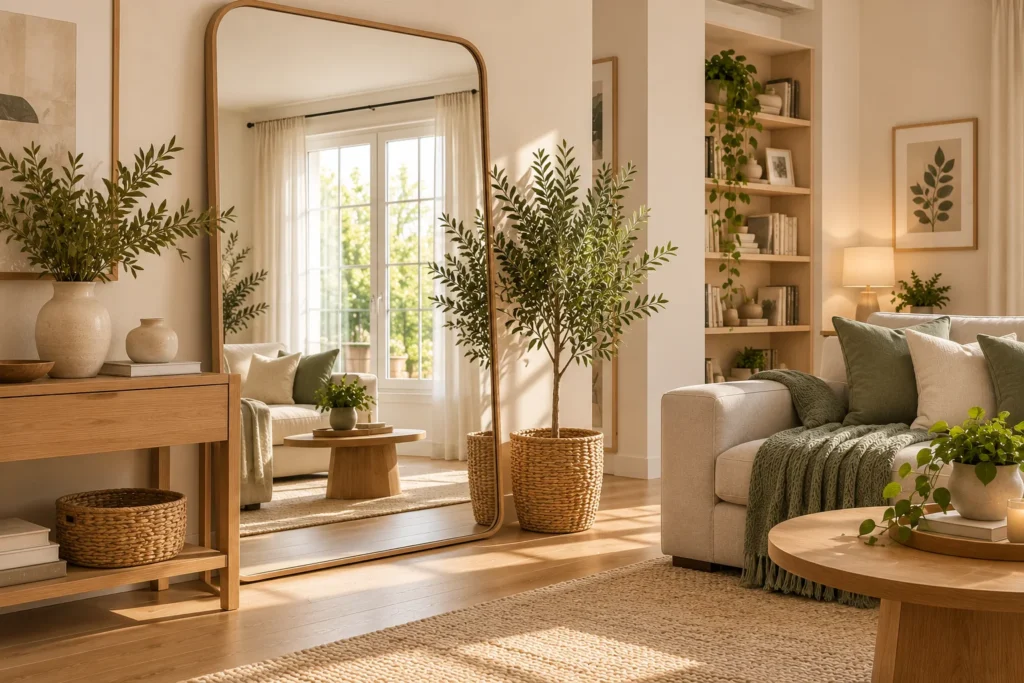
Mirrors can make a small apartment feel brighter and create a greater sense of depth. Their effect depends on placement, so consider what the mirror will reflect before hanging it.
A large mirror positioned across from or at an angle to a window can reflect daylight into the room. A full-length mirror near an entryway is also practical and can visually open up a narrow passage.
Where Should You Place Mirrors?
- Living room: Hang a large mirror above a console or place a leaning mirror against a suitable wall.
- Bedroom: Position a full-length mirror near the wardrobe or beside a dressing area.
- Entryway: Use a mirror above a slim console to make the entrance feel more open.
- Dining area: Try a mirror that reflects attractive artwork, a light fixture, or a pleasant view.
Choose a frame that complements your existing finishes. A simple oak frame suits a natural interior, while a thin black frame works well in modern spaces.
Avoid placing mirrors where they reflect clutter, harsh glare, or an unattractive view. The reflected image matters just as much as the mirror itself.
6. Layer Your Lighting for a Warmer Atmosphere
A single overhead light rarely creates the most flattering atmosphere. Layered lighting makes a small apartment feel more comfortable while helping different areas serve different purposes.
Think of lighting in three categories:
- Ambient lighting: General illumination from ceiling fixtures or other broad light sources.
- Task lighting: Focused light for reading, cooking, working, or getting ready.
- Accent lighting: Decorative light that highlights artwork, shelves, plants, or architectural details.
Choose Lighting That Saves Space
Wall sconces can free up bedside tables and work well beside a sofa. Slim floor lamps provide reading light without requiring a large side table, while small table lamps add warmth to consoles and shelves.
If you’re renting, plug-in sconces and floor lamps can provide flexibility without hardwiring new fixtures. Use cord covers and routing methods that are safe and permitted by your lease.
For a cozy living room, warm-white bulbs around 2700K are a useful starting point. In kitchens or work areas, you may prefer a slightly cooler neutral white, depending on your tasks and personal preference.

7. Add Storage Without Creating Visual Clutter
Storage is essential in a small apartment, but too many visible bins, baskets, and organizers can make the space feel busy. A more cohesive approach combines concealed storage with a few attractive items on display.
Make Overlooked Spaces Useful
Look for storage opportunities in places that are often underused:
- Under the bed for seasonal clothing, spare linens, and luggage.
- Above the toilet for towels and toiletries.
- Inside the entryway for shoes, bags, and everyday essentials.
- Behind doors for hooks or slim organizers.
- Under a desk for drawers or rolling storage.
- Inside a storage bench for blankets and miscellaneous items.
Choose organizers that fit the actual dimensions of the space. Measure the clearance beneath your bed or inside a cabinet before buying storage containers.
Keep Visible Storage Coordinated
Matching baskets, simple fabric boxes, and labeled containers can make open storage look intentional. Repeating two or three materials or colors creates a more unified appearance than mixing numerous unrelated organizers.
In the living room, keep everyday essentials in a lidded basket or storage ottoman. In the bedroom, use drawer dividers to prevent small items from spreading across the top of your dresser.
The aim is not to hide everything. Leave room for books, favorite objects, and personal touches that make the apartment feel lived in.

8. Decorate With Textures, Art, and Plants
A small apartment can feel flat when every surface, textile, and piece of furniture looks the same. Texture and carefully chosen accessories bring depth without requiring additional furniture.
The key is to edit your choices. A few well-placed pieces generally make a stronger impression than numerous small decorations scattered around the room.
Layer Different Materials
Combine materials that complement one another:
- Linen curtains with a cotton throw.
- A wool-look rug with a smooth wooden coffee table.
- Ceramic vases with glass candleholders.
- Woven baskets with metal shelving.
- Velvet cushions with a relaxed linen sofa.
These combinations create contrast through texture rather than relying on lots of different colors.
Choose Artwork That Suits the Wall
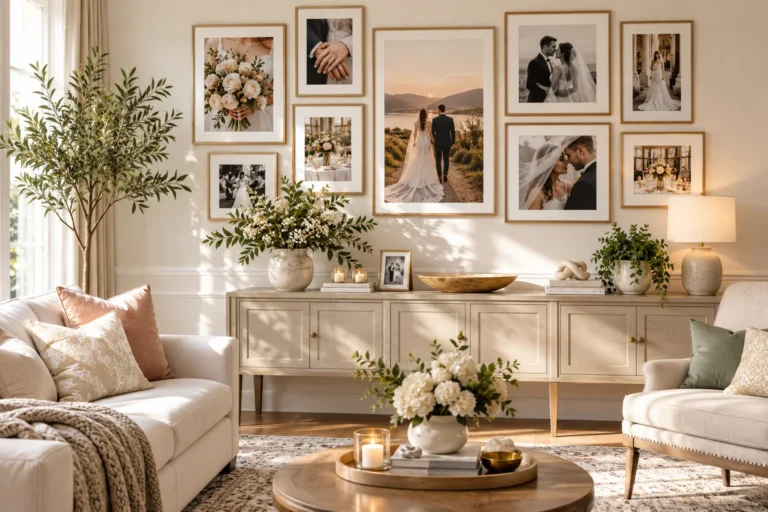
One larger artwork or a thoughtfully arranged gallery wall can make a small room feel more finished. When hanging art above a sofa, choose a piece or grouping that relates to the width of the furniture.
A useful starting point is to position the center of artwork around 57–60 inches above the floor, adjusting for ceiling height, furniture placement, and how the room is used. When hanging art above furniture, leave enough space so the composition feels connected rather than floating too high.
Bring in Greenery
Plants add color and a natural element to compact interiors. A small plant on a shelf, a medium-sized floor plant beside a window, or a trailing plant on a high shelf can soften hard lines.
Choose plants according to the available light and your willingness to maintain them. If your apartment receives little daylight, select suitable low-light plants or use realistic faux greenery in darker corners.

9. Make a Small Kitchen and Dining Area Work Harder
Kitchens and dining areas can be particularly challenging when counter space and floor area are limited. Focus on keeping frequently used items accessible while giving the room a clean, organized appearance.
Simplify the Kitchen
Use wall-mounted rails or hooks for frequently used utensils when appropriate. Add shelf risers inside cabinets, use stackable containers, and group similar items together to make better use of existing storage.
Keep counters reserved primarily for daily essentials, such as a coffee maker or a small tray for cooking oils. Store occasional appliances elsewhere if you have room.
If you rent, removable organizers and freestanding storage units can be easier to install and relocate than permanent cabinetry changes.
Create a Compact Dining Nook
A small round table can work well in a tight dining area because it has no corners to navigate around. A square table may be a better fit when it sits against a wall or in a corner.
Consider a wall-mounted drop-leaf table or a narrow dining table with chairs that tuck underneath. If you have a kitchen island or peninsula, a pair of appropriately sized stools may eliminate the need for a separate dining table.
Leave enough clearance to pull out chairs and access nearby cabinets. The right arrangement depends on the size of the table, the depth of the seating, and the surrounding walkways.

10. Make a Small Bedroom Feel Calm and Spacious
A small bedroom benefits from a restrained layout, soft lighting, and furniture that supports restful routines. Instead of filling every available corner, give the bed enough visual space to become the focal point.
Start With the Bed Placement
If possible, position the bed so that you can access it comfortably and open wardrobe doors without obstruction. In a very narrow bedroom, placing one side of the bed against a wall may be a reasonable compromise.
Use the space beneath the bed for storage if the frame allows it. A headboard with built-in shelves can also reduce the need for separate bedside furniture, although a slim wall-mounted shelf may work better in particularly tight spaces.
Choose Bedding That Adds Softness
Layer a simple duvet or comforter with two or three complementary cushion colors and a textured throw. You don’t need a large collection of pillows to make the bed feel styled.
Keep the largest surfaces relatively calm, then introduce interest through a patterned cushion, an upholstered headboard, or a small piece of artwork.
Keep Bedside Furniture Minimal
A narrow nightstand, floating shelf, or wall-mounted reading light can provide the essentials without consuming much floor space. If you need more storage, choose a bedside table with a drawer rather than adding several small containers.

11. Decorate on a Budget Without Sacrificing Style
A stylish apartment doesn’t require replacing all your furniture or buying expensive accessories. Often, the biggest improvement comes from rearranging what you already own and investing selectively in a few high-impact changes.
Start With a Furniture Reset
Before purchasing anything, try rearranging the room. Move the sofa away from a blocked window, reposition the rug, or replace a bulky side table with a smaller one you already have.
Take photos of the room from different angles. A layout that looks appealing from the sofa may reveal clutter when viewed from the doorway.
Update the Details
Affordable changes can have a noticeable effect:
- Replace worn cushion covers with coordinated fabrics.
- Frame prints or photographs in matching frames.
- Use removable wallpaper on a suitable accent wall.
- Add a plug-in lamp instead of replacing a ceiling fixture.
- Paint a thrifted side table in a color that complements the room.
- Replace dated cabinet hardware where permitted.
- Use inexpensive curtains to soften windows and improve the room’s proportions.
Shop Secondhand Strategically
Thrift stores, resale marketplaces, and estate sales can be useful places to find solid wood tables, mirrors, lamps, and decorative objects. Look beyond a piece’s current finish and consider whether its dimensions, structure, and material suit your apartment.
Prioritize furniture that solves a real problem before buying purely decorative items. A well-sized dining table or practical storage bench may improve daily life more than another vase or accent cushion.
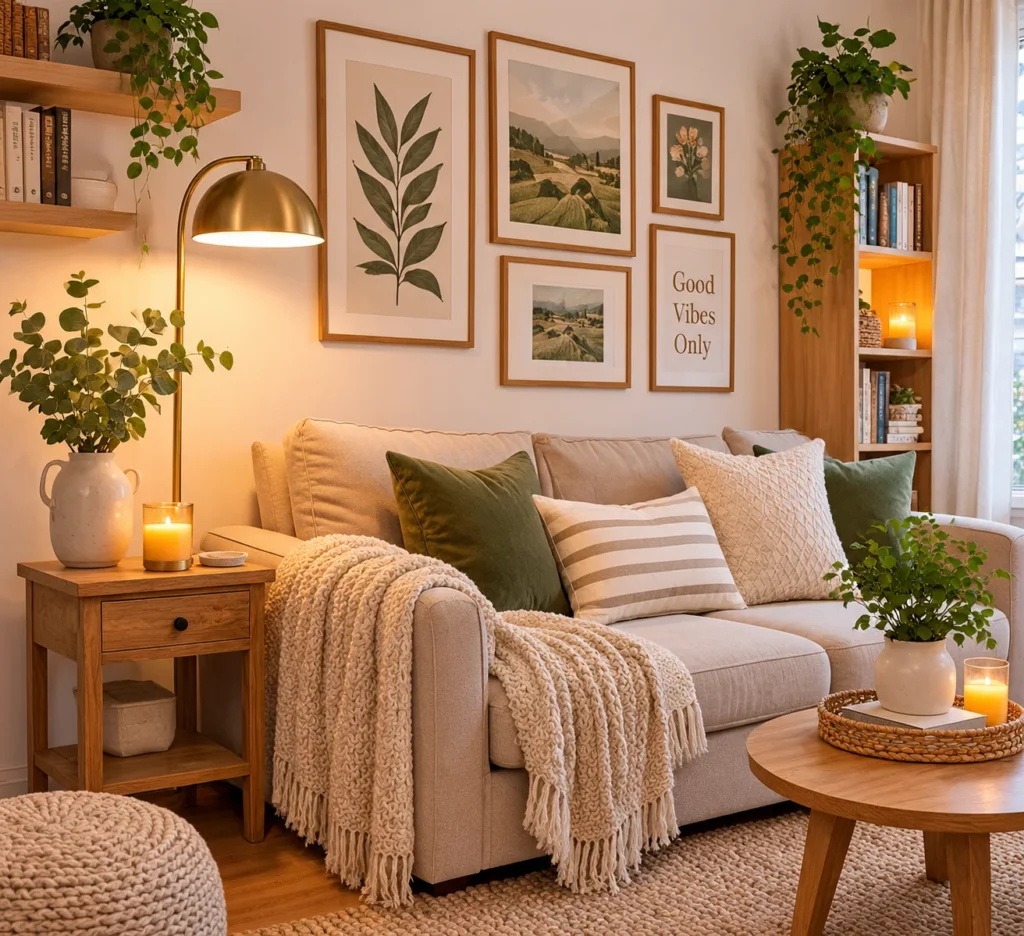
Key Pieces to Consider for a Small Apartment
You don’t need every item on this list. Start with the pieces that address your apartment’s biggest limitations.
| Piece | What to Look For | Why It Works |
|---|---|---|
| Compact sofa | Slim arms, comfortable depth, raised legs | Preserves visual openness without sacrificing seating |
| Storage ottoman | A removable lid and a size that fits your seating area | Combines seating, storage, and a footrest |
| Tall bookcase | A narrow footprint and adjustable shelves | Uses vertical space for books and accessories |
| Round coffee table | A size that leaves comfortable walking clearance | Makes navigating a tight seating area easier |
| Full-length mirror | A stable design with a simple frame | Reflects light and provides a practical dressing mirror |
| Wall-mounted lighting | Suitable plug-in or hardwired installation | Adds useful light while freeing surface space |
Choose each piece according to your room’s dimensions and your everyday habits. A sofa bed may be essential in an apartment without a guest room, while a compact desk may be more valuable if you work from home.
Common Mistakes to Avoid
Small apartments can become cluttered or uncomfortable when individual decorating decisions don’t work together. Watch out for these common problems.
1. Buying Furniture Before Measuring
A sofa may look compact in a showroom but overwhelm your living room once it arrives. Measure the room, the intended furniture footprint, and the route through doorways and hallways before making a purchase.
2. Choosing a Rug That’s Too Small
A tiny rug can make a seating area appear disconnected and visually fragmented. Select a rug that relates to the main furniture group, ideally allowing the front legs of the sofa and chairs to rest on it.
3. Relying on One Overhead Light
A single ceiling fixture can leave corners dark and make the room feel less inviting. Add task lighting and accent lighting to create depth and support different activities.
4. Pushing Every Piece of Furniture Against a Wall
This arrangement sometimes works, but it can also create an awkward empty center and an unbalanced layout. Try pulling the sofa slightly away from the wall or grouping furniture more intentionally when space permits.
5. Using Too Many Unrelated Colors and Patterns
An abundance of competing colors can make an open-plan apartment feel visually fragmented. Establish a small core palette and repeat it through textiles, furniture, and artwork.
6. Filling Every Surface With Decor
Small objects accumulate quickly on counters, shelves, and side tables. Edit your display to include a few meaningful pieces, leave breathing room around them, and store the rest.
7. Ignoring the Everyday Walking Route
A beautiful arrangement is frustrating if it blocks a doorway, catches on a chair, or makes the kitchen difficult to access. Prioritize comfortable movement before finalizing the styling.
Frequently Asked Questions
How can I make a small apartment look bigger?
Use a cohesive color palette, appropriately sized furniture, layered lighting, and mirrors that reflect daylight or an attractive view. Keep walkways clear and use vertical storage to reduce clutter on the floor.
What colors are best for a small apartment?
Warm white, cream, beige, soft gray, pale green, and muted blue are versatile choices. Darker shades can also work as accents or feature colors, particularly when balanced with lighter surfaces and good lighting.
How do I decorate a small apartment on a tight budget?
Begin by rearranging existing furniture and decluttering visible surfaces. Then focus on affordable changes such as new cushion covers, thrifted artwork, updated lampshades, coordinated storage baskets, and secondhand furniture that fits your space.
How do I make a studio apartment feel like it has separate rooms?
Use rugs, furniture placement, lighting, and storage units to define living, sleeping, and dining zones. A low bookcase or folding screen can provide additional separation without completely closing off the space.
What furniture should I avoid in a small apartment?
Avoid pieces that are disproportionately large, difficult to move, or designed for functions you rarely use. Oversized sectionals, bulky entertainment centers, and numerous separate accent tables can consume valuable space without providing enough benefit.
Can I use dark furniture in a small apartment?
Yes. Dark furniture can add contrast and visual depth, especially when paired with lighter walls, a suitable rug, and balanced lighting. Repeat the darker finish in a few smaller details to make it feel intentional.
How do I add storage without making my apartment look cluttered?
Combine concealed storage with a small amount of open display. Use under-bed containers, storage ottomans, tall shelving, and coordinated baskets, while keeping frequently used surfaces as clear as possible.
How can renters decorate without damaging the walls?
Try freestanding bookcases, plug-in sconces, leaning mirrors, removable wallpaper approved for your wall finish, and tension-rod solutions where suitable. Always check your lease and the product instructions before installing adhesive hooks or making other changes.
Conclusion: Make Every Inch Feel Like Home
Decorating a small apartment is less about fitting in more things and more about choosing the right things. Furniture that suits the room, a consistent color palette, layered lighting, and thoughtful storage can transform a compact interior into a comfortable and stylish home.
Start with one area that frustrates you most. Rearrange the furniture, clear an overcrowded surface, or introduce a lighting change before taking on a larger project. Save this guide for your next decorating refresh, and use the ideas that make the most sense for your space, budget, and lifestyle.